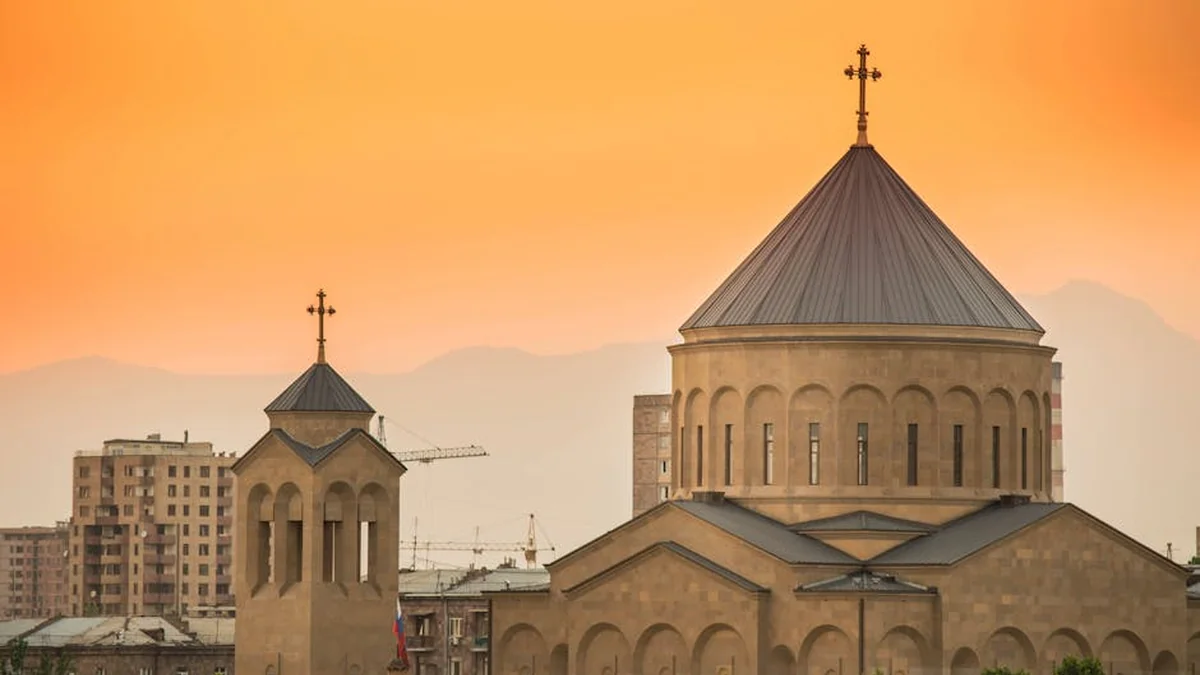
Bulgaria’s Parliament passed a resolution on Friday recognizing the mass extermination of Armenians that occurred in the Ottoman Empire between 1915 and 1922. The vote passed with 157 votes in favor and 36 against, leading the Parliament to declare April 24 a Victims Remembrance Day. The resolution stated that the extermination is supported by undeniable historical facts and authentic documents.
Furthermore, it emphasized a distinction between the historical legacy of the Ottoman Empire and that of the Republic of Turkey, while calling for dialogue between Turkey and Armenia regarding the historical truth. The resolution addresses the systematic killing of an estimated one and a half million Armenians during that period. The historical context notes that these events transpired amidst concerns over potential alliances between Armenian Christians and Russia during World War One.
The legislative process involved debates over terminology, with some proposing replacing the term ‘genocide’ with ‘mass extermination.’ While the resolution affirms the historical gravity of the events, it also reflects the complex geopolitical sensitivity surrounding the issue. The discussion highlighted the differing official stances: Yerevan defines the event as genocide, while Turkish authorities deny this characterization, citing different casualty figures. Internationally, the Armenian genocide has been recognized by numerous nations, including the European Parliament.
Despite the passage of the resolution, some parliamentary members expressed concern regarding the language used, suggesting it might limit the community’s ability to pursue claims through legal channels.
Topics: #ottoman #armenians #genocide


This formal recognition is a significant step toward historical accountability.