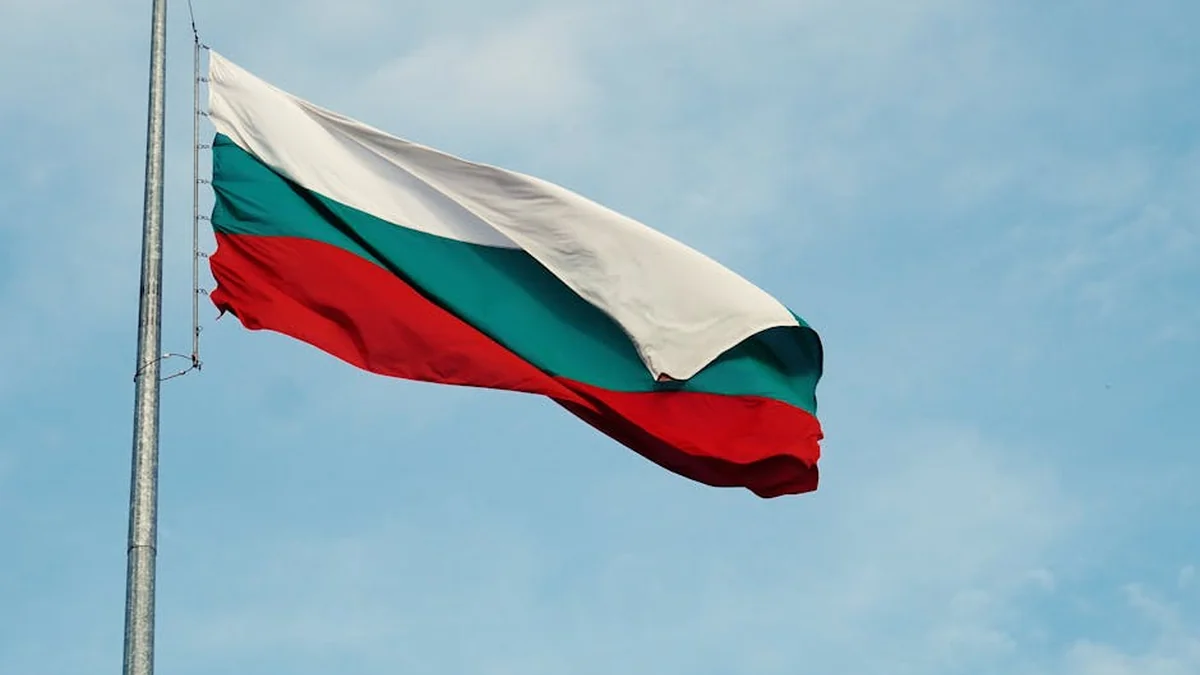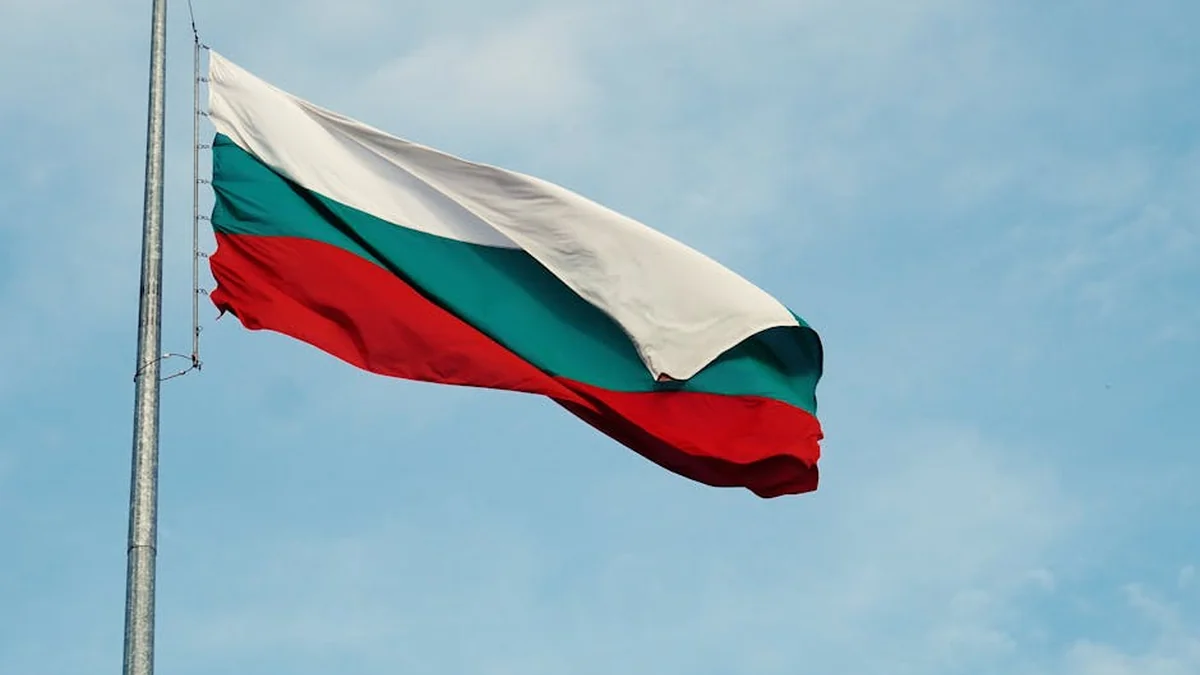
Political developments in Bulgaria center on Rumen Radev’s Progressive Bulgaria securing a parliamentary majority and Borislav Sarafov’s resignation as acting prosecutor general, underscoring ongoing debates regarding power consolidation and judicial independence. Progressive Bulgaria won 131 seats, surpassing the 121 required for a majority, enabling Radev to govern without coalition negotiations. This outcome represents a significant departure from the recent cycle of unstable governments in Bulgaria.
The election results suggest voters consolidated support for Radev’s party, which now controls both the legislative and executive branches, allowing for potential sweeping reforms. The immediate focus is judicial reform, particularly the election of a new Supreme Judicial Council (SJC), which requires broader parliamentary support, likely from Continue the Change – Democratic Bulgaria (CC-DB). The process will test whether Radev aims to dismantle influence networks associated with established political figures or simply replace them with allies.
Major established political groups experienced setbacks; GERB lost significant votes, and the Bulgarian Socialist Party (BSP) failed to enter Parliament. While CC-DB remained the only major opposition force to improve its standing, its future stability is questioned by analysts. Experts suggest Radev’s dominance could lead to a more centralized form of governance.
Furthermore, the analysis points to underlying ideological tensions within the opposition coalition, potentially leading to fragmentation. The political landscape in Bulgaria suggests a significant realignment of power, making the cooperation between the new majority and opposition parties crucial for key institutional reforms.
Topics: #bulgaria #political #rumen