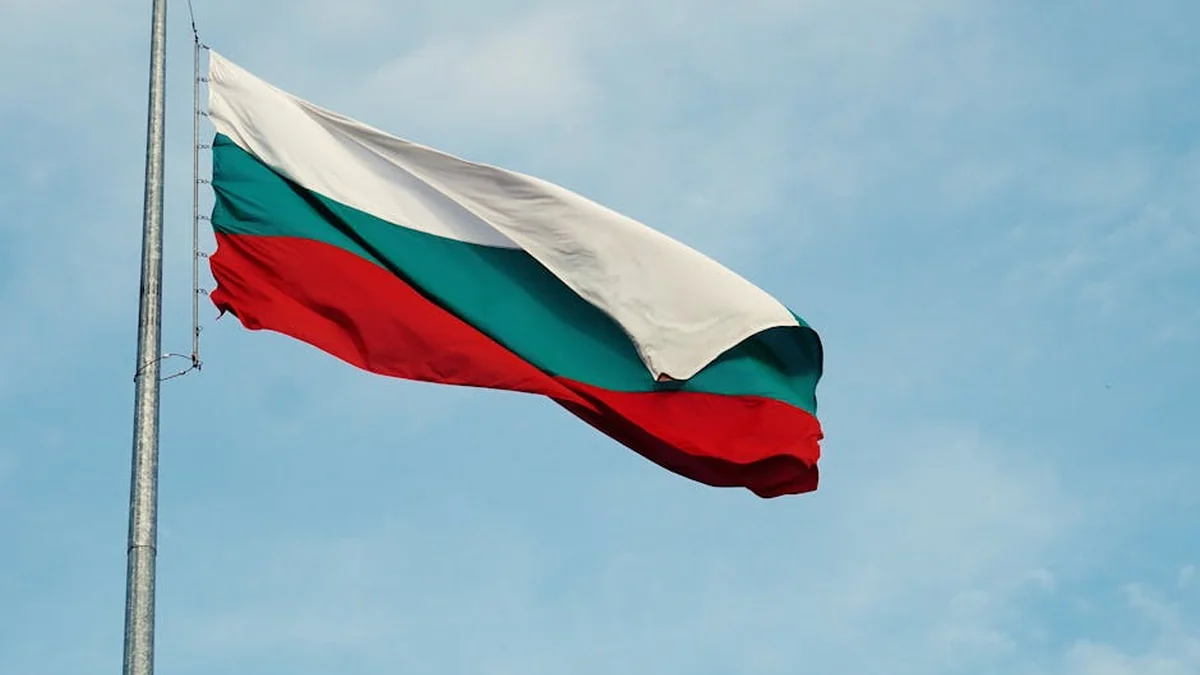
Recent developments in Bulgaria’s political landscape center on Rumen Radev’s Progressive Bulgaria securing a commanding parliamentary majority. With 131 seats, the party has achieved a clear mandate, granting Radev the capacity to pursue sweeping reforms and policy decisions with limited immediate institutional resistance, marking a significant departure from the nation’s recent history of unstable governments. The election results indicate a substantial shift in the political power structure.
While the established GERB and MRF political blocs experienced notable declines, the Bulgarian Socialist Party failed to gain representation in Parliament. This consolidation of power around Progressive Bulgaria raises ongoing debates regarding the balance between governance efficiency and judicial independence in Bulgaria. Radev’s immediate focus is anticipated to be on judicial reform, particularly the election of a new Supreme Judicial Council.
This process will test the extent of Radev’s influence, requiring broader parliamentary support for key appointments. Political analysts suggest that this realignment reflects a consolidation of power among major political centers. While the opposition bloc, Continue the Change – Democratic Bulgaria (CC-DB), remains a significant force, its internal cohesion is reportedly under scrutiny.
Experts note that the future political maneuvering will hinge on how Radev navigates institutional reforms while managing the dynamics among the major political players. The ongoing political negotiations will determine whether the current period of strong leadership leads to stable reform or heightened concentration of authority within Bulgaria.
Topics: #bulgaria #political #rumen