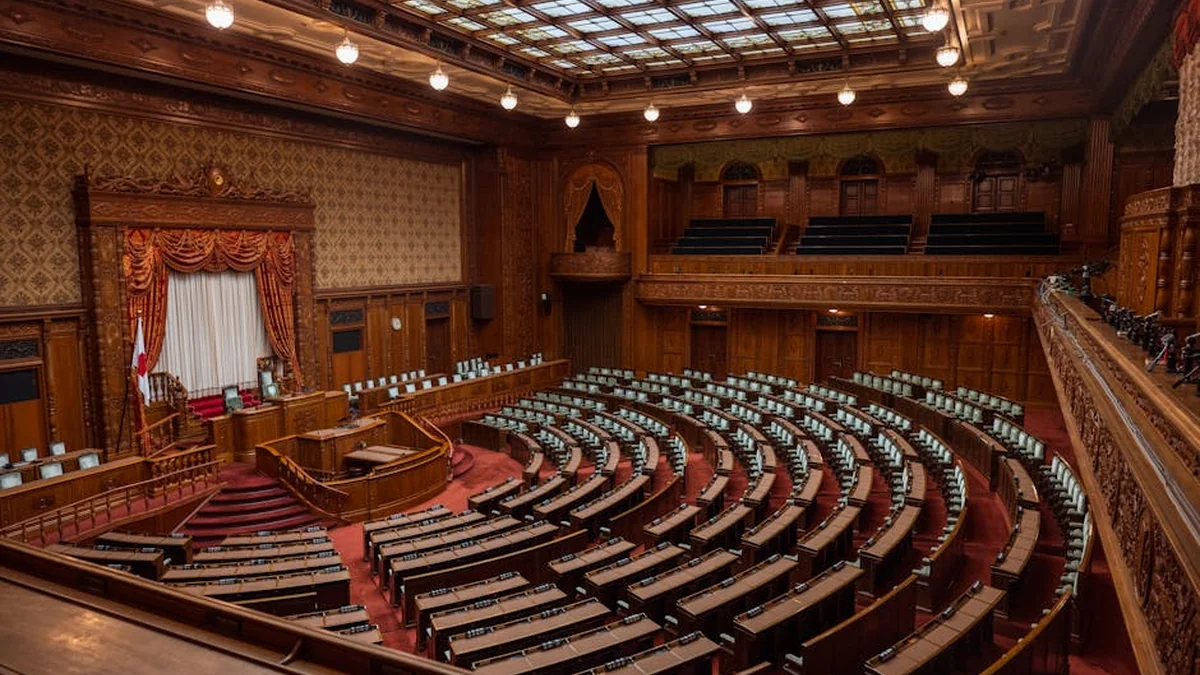
On the inaugural sitting of the National Assembly, media coverage featured commentary from politicians and analysts discussing expectations and identifying the most urgent tasks for the newly elected members of parliament. Vladimir Nikolov of Progressive Bulgaria, the largest group with 131 seats, stated the party’s intent to restore trust in the National Assembly, citing low public approval ratings. Assen Vassilev of Change identified the immediate election of members of the Supreme Judicial Council (SJC) and the adoption of comprehensive economic packages to address inflation as top priorities.
The composition of the Assembly shows that over half of the MPs are entering for the first time, predominantly from Progressive Bulgaria. Expert analysis suggests that the April 19 elections signaled voter impatience, opening a new political chapter. However, analysts cautioned that this presents risks, including replicating past power structures or risking a drift toward authoritarian governance.
Experts highlighted key areas for a legislative review, including the speed and safeguards of judicial reform, the balance between the legislature and the executive branch, and the internal cohesion of the large Progressive Bulgaria bloc. Furthermore, some observers cautioned that overly high expectations stemming from campaign promises could lead to widespread disillusionment. Structurally, the political landscape saw Change form a separate parliamentary group from Democratic Bulgaria, resulting in six distinct groups in the Assembly.
While discussions centered on forming a government led by Rumen Radev, analysis also
Topics: #national #assembly #review