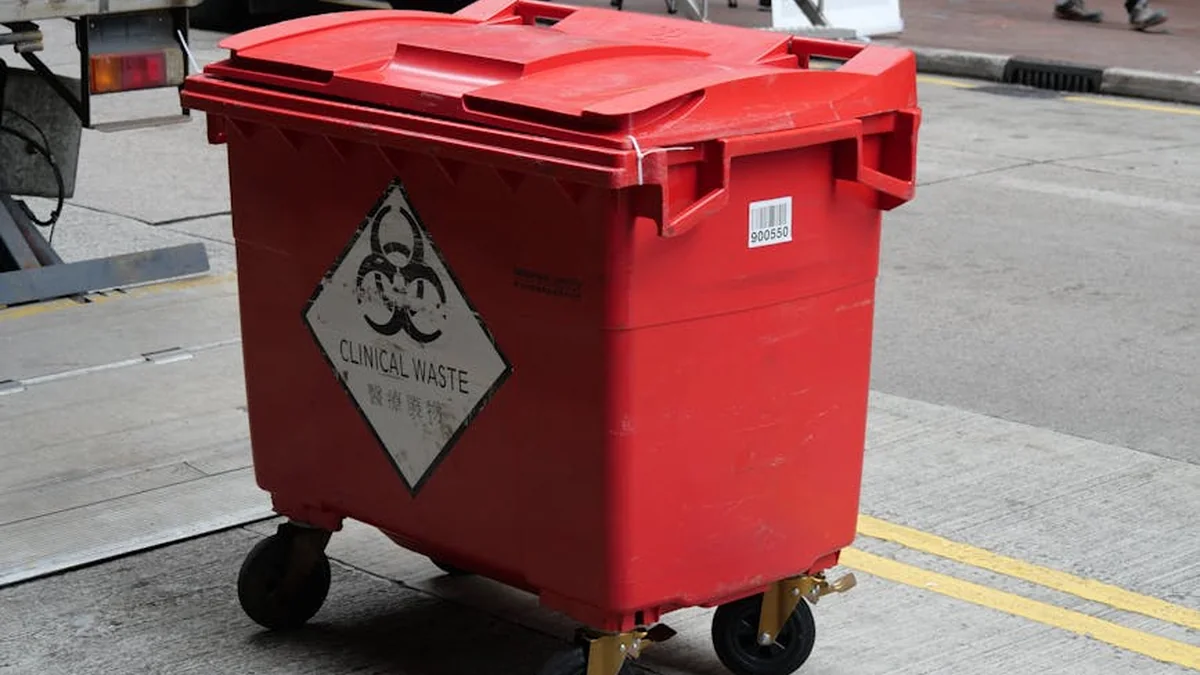
An audit conducted by the Bulgarian National Audit Office (BNAO) covering 2021–2024 revealed significant deficiencies in Bulgaria’s management of hazardous waste, posing environmental and public health risks. The report identified five regions—Blagoevgrad, Vidin, Gabrovo, Sliven, and Smolyan—that lack proper disposal facilities for hazardous waste originating from households, industry, and healthcare. The audit, focusing on the Ministry of Environment and Water, noted that while waste volumes increased from 13.7 tonnes in 2021 to nearly 16 tonnes in 2023, Bulgaria generates 2,246 kg of hazardous waste per capita, substantially higher than the EU average of 266 kg.
Furthermore, the report highlighted systemic weaknesses, including the absence of a parliamentary-approved national environmental strategy. Regulatory compliance remains a concern, evidenced by nine infringement procedures launched by the European Commission against Bulgaria concerning waste management directives. The audit also found that nearly 29% of municipalities with over 10,000 residents have not designated collection points for household hazardous waste.
The BNAO issued seven recommendations to the Minister of Environment and Water, setting a deadline for implementation by March 1, 2027. The report emphasizes that progress in managing this waste stream is limited. Specific local issues include 42% of violations by mayors relating to illegal dumping sites, alongside a 41% increase in the imports of hazardous waste for recovery between 2021 and 2024.
These findings underscore the need for improved coordination and upgrades to the National Waste Information System.
Topics: #hazardous #waste #audit