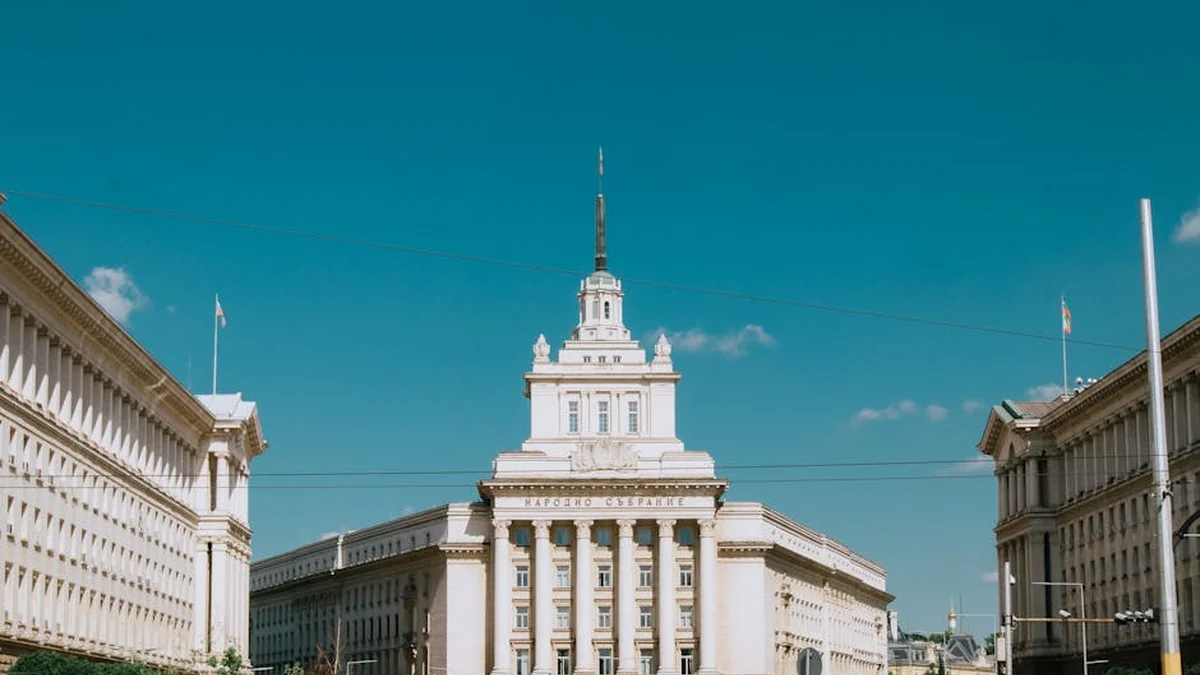
The history of modern Bulgarian institutions and civic life is marked by several significant milestones across the decades. Early educational development saw a key moment in 1859 when the first Bulgarian secondary school abroad opens in Bolhrad, Bessarabia (now in Ukraine). Political resistance against Ottoman rule flared up in 1876 with the outbreak of the April Uprising.
Culturally and medically, the period saw major advancements. A notable development in the capital was the establishment of the Aleksandrovska Hospital, which opens in 1879, marking a crucial step in medical care in Sofia. The cultural life of the burgeoning capital also saw institutional growth.
In 1888, the Sofia Zoo was founded by royal decree, becoming recognized as the oldest and largest zoo in the Balkans. Later in the 20th century, legislative milestones solidified national structures. In 1991, the Seventh Grand National Assembly passed the Protection of Competition Act, strengthening commercial regulations.
More recently, the transition to the Euro currency system prompted a visible change in 2013, when the new 5 euro note began circulation, featuring the designation “euro” written in the Cyrillic alphabet. These events illustrate a progression from early educational efforts and political struggles to the establishment of modern infrastructure and adherence to international financial standards within the nation.
Topics: #first #opens #sofia


Modern Bulgarian institutions and civic life have been shaped by several significant historical milestones. Early educational development reached a notable point in 1859 with the opening of the first