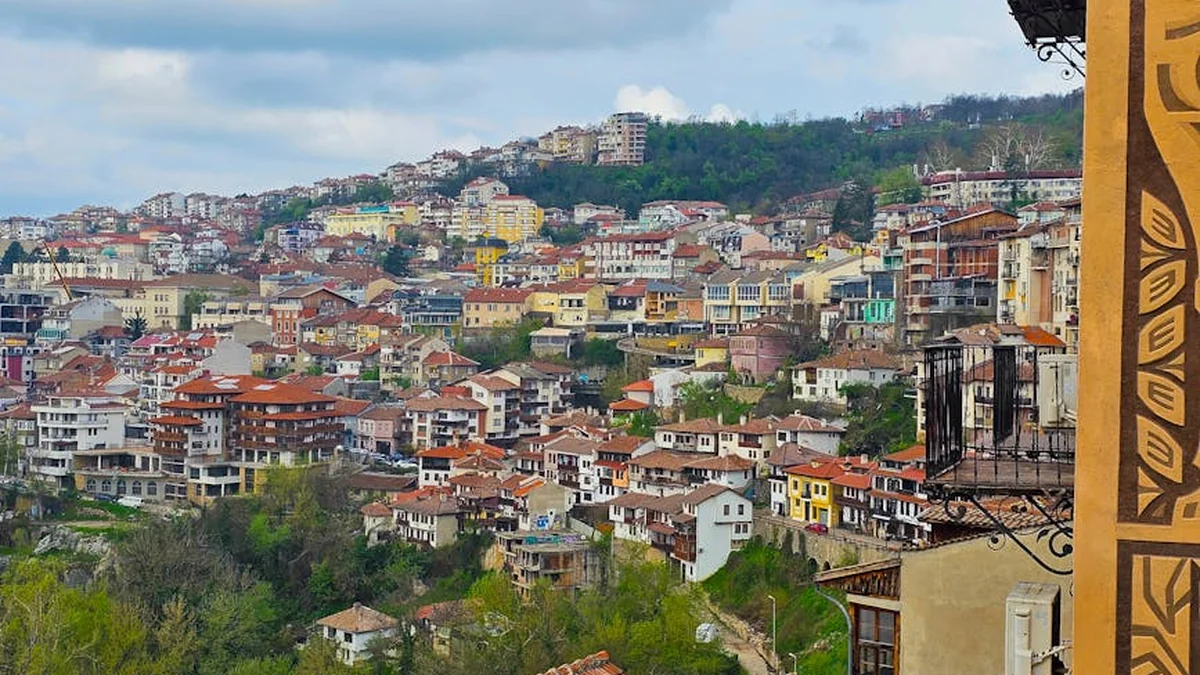
The April 1876 uprising, which occurred 150 years ago, was the most significant of over 40 organized Bulgarian attempts to achieve self-determination from Ottoman control, a state they had lost in 1396. This event was framed by the broader Great Eastern Crisis, which began with a 1875 revolt in Herzegovina against heavy taxation and repression by Ottoman landowners. The revolt in Bulgaria was organized by a committee of revolutionaries in Giurgiu, Romania, between late 1875 and 1876.
Initially, the stated goal was national liberation, though a more pragmatic objective was to draw the attention of the Great Powers to the Bulgarian question. Preparations involved raising funds and procuring weapons across four established revolutionary districts. The planned uprising was set for May 1, 1876, involving an effort to free and hold territory between the Balkan Range, Sredna Gora, and the Rhodopi Mountains.
However, following a betrayal, the revolt began prematurely in Koprivshtitsa on April 20, 1876. Subsequent days saw similar uprisings in nearby villages, leading to the establishment of a Provisional Government in Panagyurishte. The Ottoman authorities responded swiftly, deploying tens of thousands of regular troops and irregular bashi-bazouks.
The fighting lasted for about a month, culminating in a crushing defeat for the rebels, who were poorly armed and outnumbered. Most leaders were killed or captured. While casualty figures remain highly disputed, modern scholars generally place the range of Bulgarian civilian losses between 15,000 and 30,000.
Contemporary accounts suggest that Muslim civilian casualties were significantly lower compared to the Bulgarian losses.
Topics: #uprising #backgrounder #april