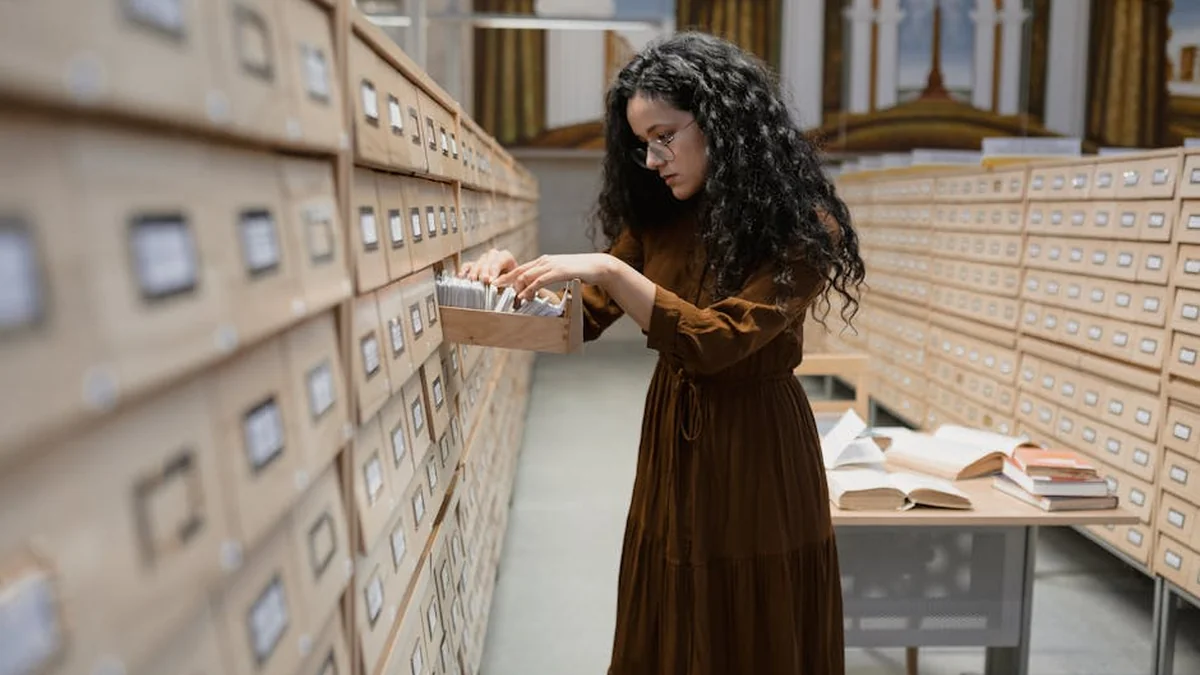
A presentation detailing the digitization of the Bulgarian Telegraph Agency’s (BTA) vast historical archives was delivered at the 40th Media Innovation Network (MINDS) conference in Vienna on Thursday. The BTA’s collection spans over 125 years and includes millions of news bulletins and hundreds of thousands of photographs documenting significant national and international events. The 40th MINDS conference, held from April 22 to 24, focused on utilizing artificial intelligence and various models and tools to maintain reliable, sustainable, and accessible information bases.
Attendees included representatives from global news agencies, such as BTA Director General Kiril Valchev and Secretary General Julia Sokolova. At the forum, specialists presented the project digitizing the BTA’s 125-year history. This initiative is part of a Ministry of Culture project supporting the digitization of various national funds, which BTA joined in 2021.
The project, budgeted at BGN 4 million, commenced in July 2023 and is scheduled to continue through June 2026. The primary objective is to preserve, properly store, and digitize one of Bulgaria’s most extensive archives. Presenters outlined the challenges encountered, including content written in old Bulgarian orthography, damaged pages, and metadata gaps in photographs.
As an example, they showcased the digitization of the BTA’s first news bulletin from 1898, which covered topics ranging from royal health updates to Balkan stock markets. Currently, 37 specialists have digitized 4.4 million pages and 644,000 images from the 1898–2012 period. The digitization process employs best practices for digital archiving, ensuring data protection and improving public accessibility.
Furthermore, BTA proposed establishing a BTA Institute at the conference, aiming to collaborate with 15 Bulgarian AI organizations to develop freely accessible products for implementation across various media outlets.
Topics: #archives #minds #conference

This digitization effort represents a valuable resource for future media historians.