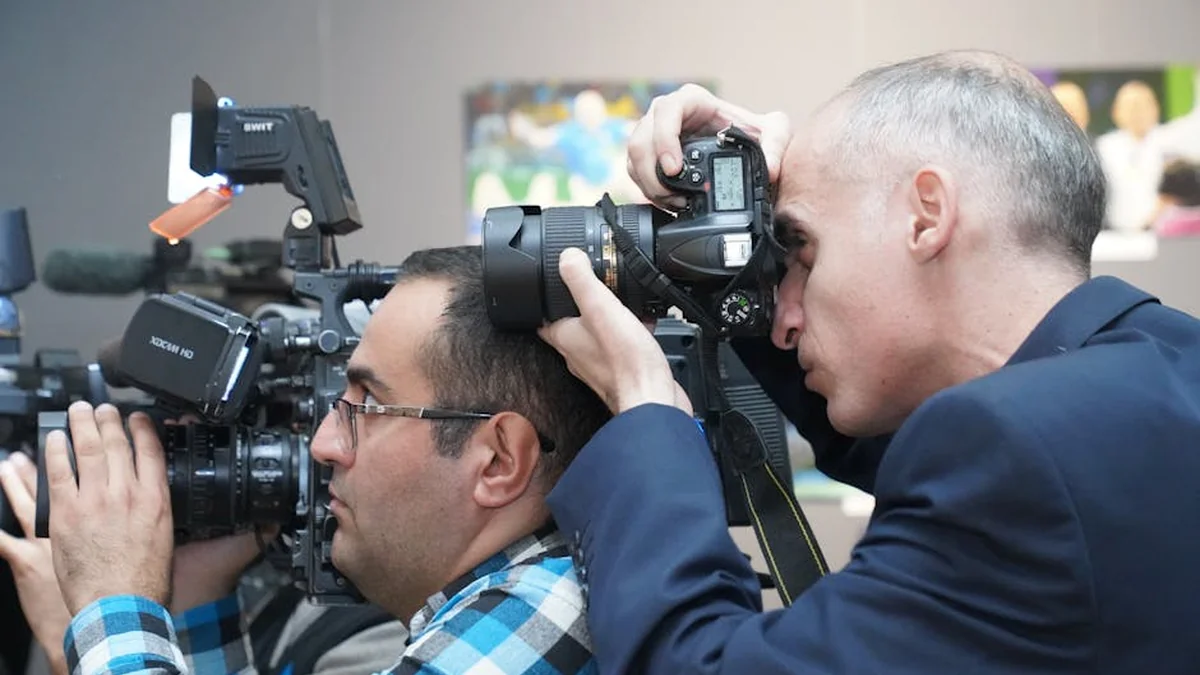
At a conference held in Panagyurishte marking the 150th anniversary of the April Uprising, journalist Boyko Vassilev emphasized the lasting impact of three specific journalists on the movement. The event, organized by the Bulgarian News Agency (BTA), focused on the pivotal role of the press in the events that led to the Russo-Turkish War and Bulgaria’s subsequent liberation. Vassilev identified Zahari Stoyanov, noting his documentation of both the positive and negative aspects of Bulgaria’s history.
He also highlighted Hristo Botev for publicizing the seizure of the ship Radetzky and the subsequent impact of his life’s end across Europe. Furthermore, he credited Januarius MacGahan with exposing the atrocities occurring in Bulgaria to a wider European audience. “Words are truthful when they speak of both light and shadow,” Vassilev stated.
He elaborated on Stoyanov’s work, referencing a powerful scene from Notes on the Bulgarian Uprisings where Georgi Benkovski witnesses the burning of Panagyurishte and the murder of allies, yet maintains that his primary objective has been achieved. Vassilev suggested this moment encapsulates profound tragedy and the moral challenges inherent in leadership. Addressing the BTA conference series, he clarified that the discussions are intended not as mere lectures, but as conversations linking historical events to contemporary Bulgarian life.
According to Vassilev, the memory of the uprising continues to raise enduring questions relevant to the nation’s public discourse. He concluded by noting that even at the 50th anniversary, Bulgarian society was deeply divided, suggesting this serves as a continuing warning. The prominent role of these journalists, according to Vassilev, solidifies the April Uprising as an enduring element of the national identity.
Topics: #uprising #vassilev #journalists