The historical record details significant turning points across various sectors, including civil unrest, legal reforms, and international military agreements. In 1876, a period of conflict arose in Batak, where an uprising against Ottoman rule took place. Reports from the time indicate that the unrest was suppressed, resulting in significant loss of life, with an estimated 4,000 fatalities and the subsequent burning of the town.
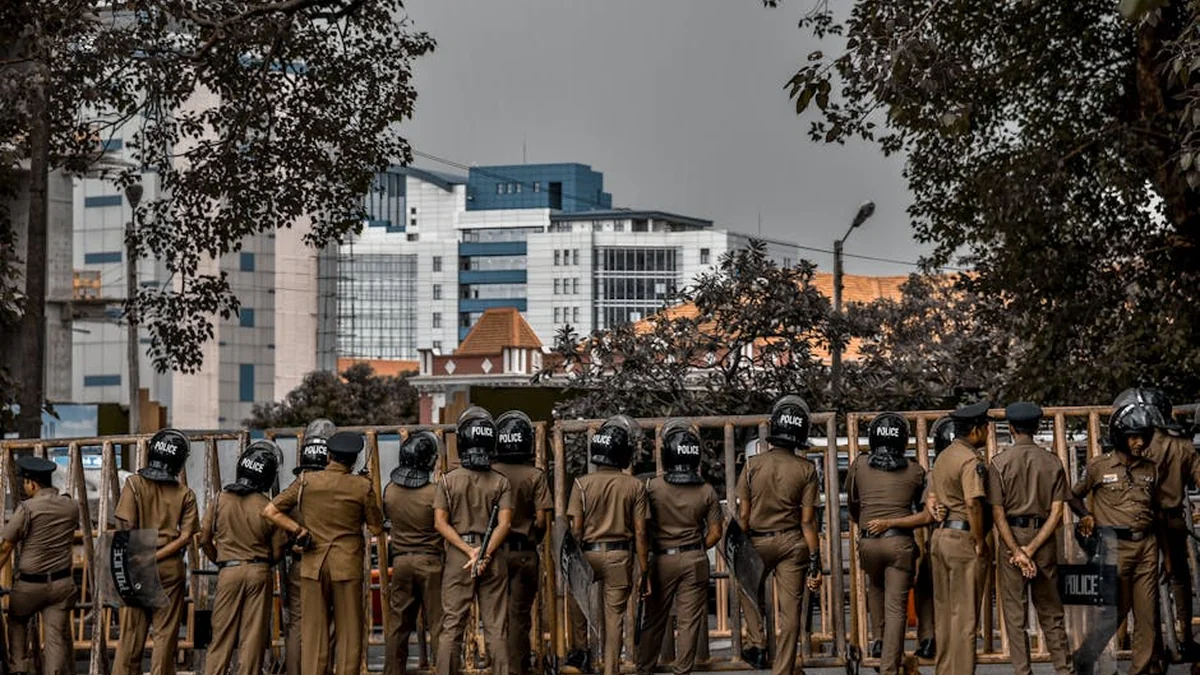
A major institutional development occurred in 1925 with the promulgation of the Administration and Police Act. This legislation marked a notable evolution in the structure and development of the Bulgarian police force. The act represented a formal advancement in the organization of law enforcement within the nation.
More recently, in 1999, the political landscape saw a significant international development. The Parliament ratified an agreement that permitted the overflight of NATO aircraft as part of Operation Allied Force against Yugoslavia. This action highlighted the involvement of international military cooperation and treaty ratification in modern geopolitical events.
These varied entries—from armed resistance and suppression to the codification of internal security services and participation in multinational military operations—illustrate the diverse nature of historical change, touching upon the evolution of governing powers and the structure of civil and military force over time.
Topics: #against #police #force



Historical records detail significant turning points across various sectors, including civil unrest, legal reforms, and international military agreements. For instance, in 1876, a period of conflict a