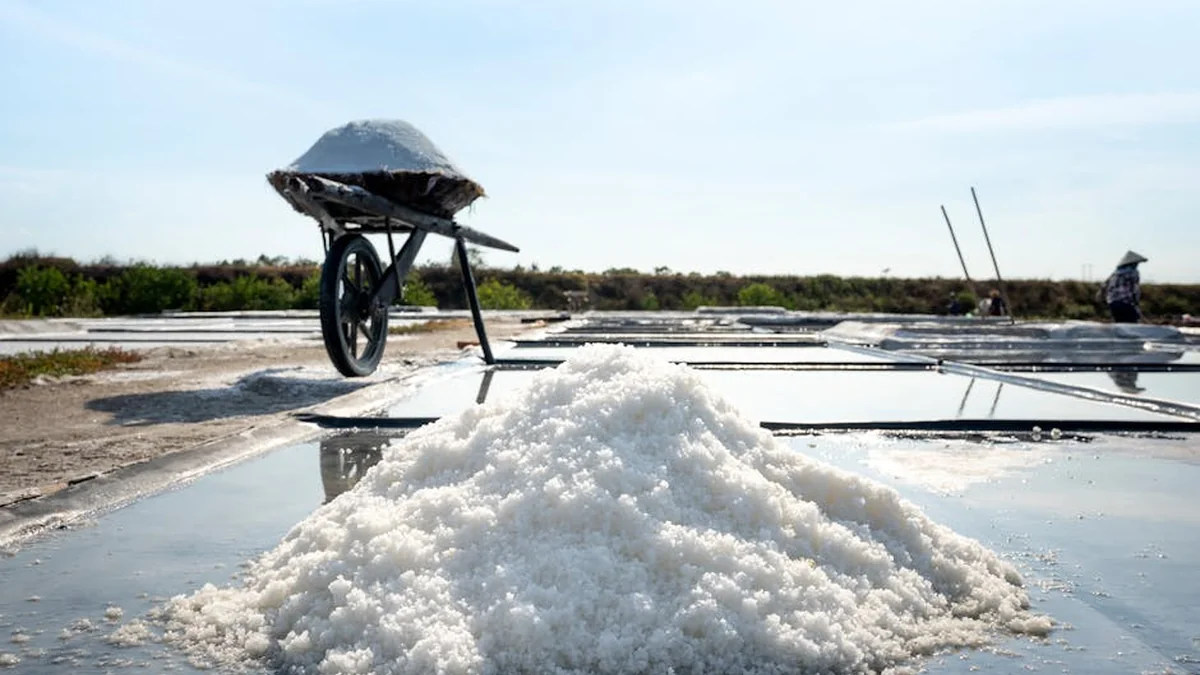
Provadia-Solnitsata, recognized as one of Europe’s earliest centers for salt production and urban development, was awarded the European Heritage Label (EHL) for 2026 during an official ceremony in Brussels. The event, held at the Art & History Museum, marked the fifteenth anniversary of the initiative. The National Archaeological Institute with Museum at the Bulgarian Academy of Sciences confirmed that the inclusion of new sites has brought the total number of EHL holders to 80 across 23 European countries.
The ceremony convened members of the European Parliament, diplomatic representatives, cultural heritage experts, and stakeholders. The 2025 selection featured 13 new sites, showcasing the breadth of Europe’s shared history and cultural landscape. These sites were chosen by an independent panel from 21 candidates, based not only on historical importance but also on their commitment to education and promoting European values among younger generations.
Commissioner Micallef stated that the newly recognized sites exemplify the value of the European Heritage Label, reflecting the richness of shared European history and aiding citizens in connecting with their common identity. The heads of the Provadia-Solnitsata project received the symbolic plaque from the Commissioner. Academician Vasil Nikolov emphasized the site’s historical significance for early European development and thanked the supporting bodies.
The European Heritage Label, an initiative of the European Commission, supports the visibility of Europe’s shared heritage. Since 2011, the Commission has utilized this program to strengthen cultural awareness. The recognition of sites like Provadia-Solnitsata highlights the enduring importance of early industries, such as salt extraction, to the development of European civilization.
Topics: #european #solnitsata #salt