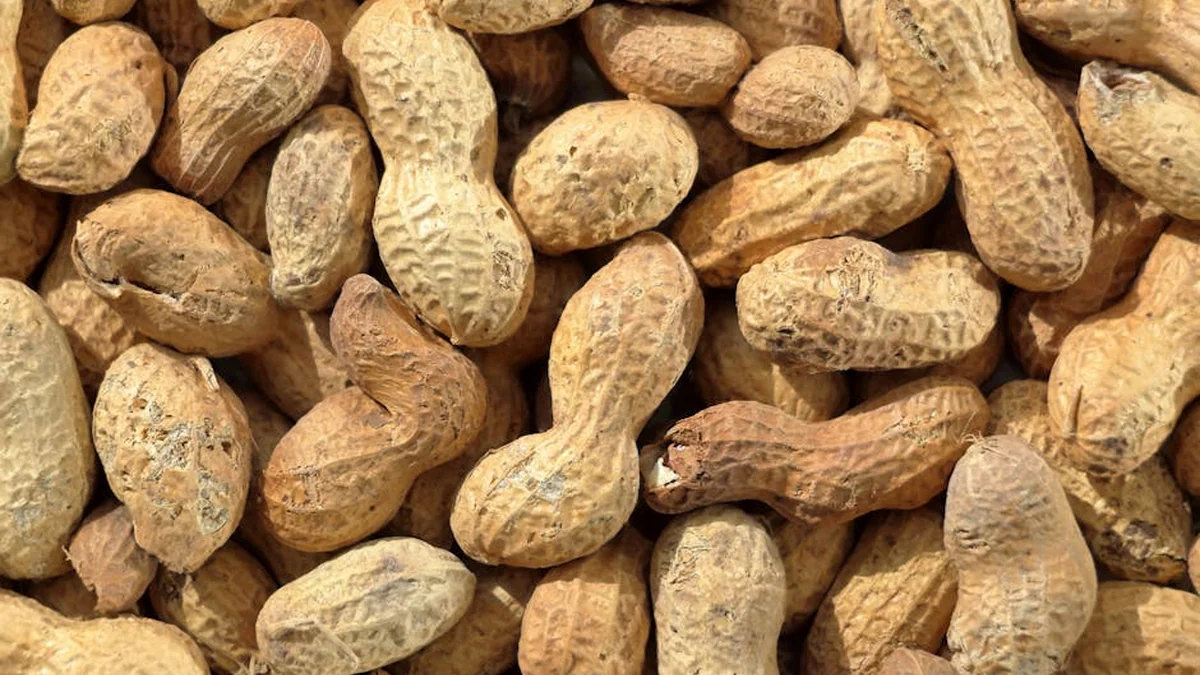
Eighteen tonnes of shelled peanuts originating from Egypt have been blocked from entering the Bulgarian market due to dangerously high mould contamination, according to the Bulgarian Food Safety Agency on Sunday. Inspectors from the Varna Regional Food Safety Directorate discovered that the peanuts contained aflatoxin levels three to five times greater than permissible limits. Aflatoxins are toxic and carcinogenic compounds produced by certain fungi that thrive in nuts and crops when storage conditions are inadequate, particularly in warm and humid areas.
The samples underwent analysis at the Central Laboratory for Chemical Testing and Control in Sofia. The most significant exceedance detected was for aflatoxin B1, which is a recognized carcinogen. Experts caution that even sustained exposure to small quantities can elevate the risk of liver cancer.
Importantly, these toxins are not eliminated through common methods like roasting or boiling, which heightens the associated danger. The container holding the peanuts has been detained at customs. The importer retains the option to request further testing.
Should the initial findings be confirmed, the importer can choose one of three courses of action: returning the shipment to Egypt, having it destroyed, or undergoing specialized treatment outside Bulgaria to reduce the aflatoxin levels.
Topics: #peanuts #levels #tonnes



This really highlights how important strict border inspections are for consumer safety.
What specific levels or types of mould contamination were found on the peanuts?