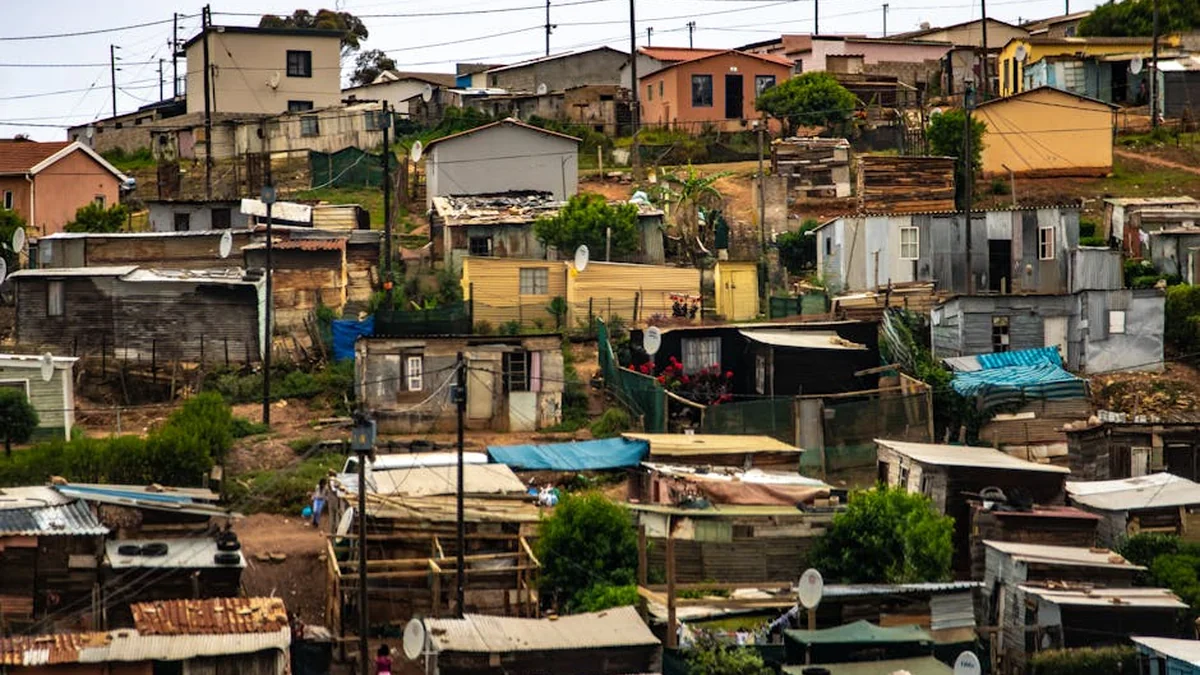
Analysis of Bulgarian incomes, consumption, and poverty data suggests a general rise in well-being over recent years rather than increasing deprivation. Real household income and purchasing power have risen, accompanying a shift in spending away from basic necessities toward leisure, culture, and education. While poverty and inequality persist, they are becoming more concentrated among specific vulnerable groups.
According to Adrian Nikolov, a senior economist at the Institute for Market Economics (IME), social policy should therefore be specifically calibrated for the highest-risk communities. Nikolov notes that Bulgaria’s real-income index has shown steady growth over the last decade, despite fluctuations caused by inflation. Household expenditure patterns reflect this improvement; for instance, the share of spending on food decreased to 29.3% in 2025, and the share for housing fell to 10.7%.
Conversely, spending on leisure and education increased as a share of total budgets. Despite this economic uplift, poverty remains a concern, with the percentage of people below the poverty line still exceeding 21% in 2025. However, the absolute number of poor individuals decreased from 1.55 million in 2022 to 1.369 million in 2025.
Crucially, the poverty line itself has risen faster than annual inflation, indicating a gradual increase in the purchasing power for those near the threshold. The analysis identifies key drivers of inequality, such as the high rate of poverty within the Roma community and among those with limited education. The IME
Topics: #poverty #purchasing #power