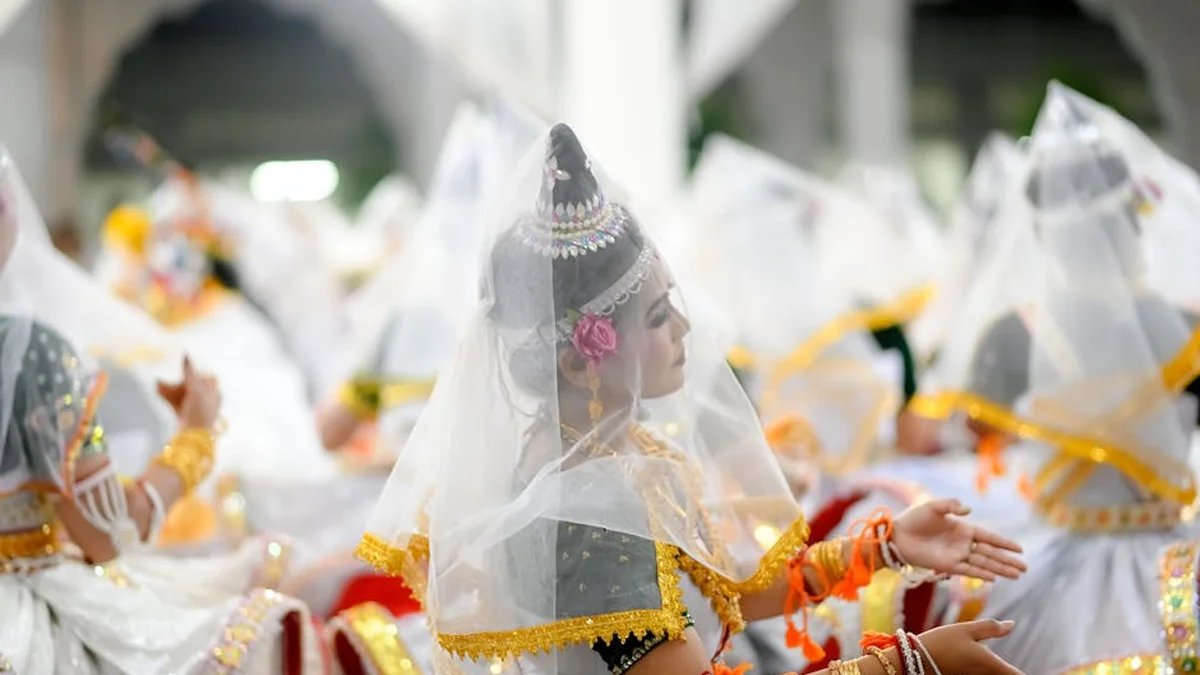
On International Dance Day, Taraclia honorary citizen Ivan Borimechkov discussed the cultural significance of the traditional horo dance among Bulgarians in Moldova. He noted that the horo was historically more than a staged performance; it was an intrinsic element of community life and tradition within Taraclia. For Borimechkov, the horo represented a vital social structure—a setting where villagers gathered, interacted, and maintained cultural ties.
He differentiated between two forms: the spontaneous evening horo, which occurred in neighborhoods and often revolved around song and song-led movement, and the grand horo, reserved for major holidays. He recalled that during these large gatherings, personal connections and relationships were often established. However, the routine was disrupted by the hardships of the Soviet era, including war and famine, which curtailed public gatherings.
The tradition saw a gradual resurgence starting in the 1950s, moving from informal settings to organized cultural venues. The revival efforts were significantly bolstered by the establishment of the Bessarabian Bulgarian theatre in Taraclia. This cultural institution spearheaded initiatives to revive the spirit of the horo.
Activities included hosting theatrical skits and short performances, which would precede the communal dance. While not a complete restoration of the original custom, these efforts were crucial attempts to preserve the memory of the dance. Borimechkov highlighted that these community events, sometimes promoted via local radio, successfully drew participation, even from guests visiting from Bulgaria.
Ultimately, the focus remained consistently on community cohesion, allowing the dance to become a central pillar for various local celebrations.
Topics: #dance #taraclia #citizen