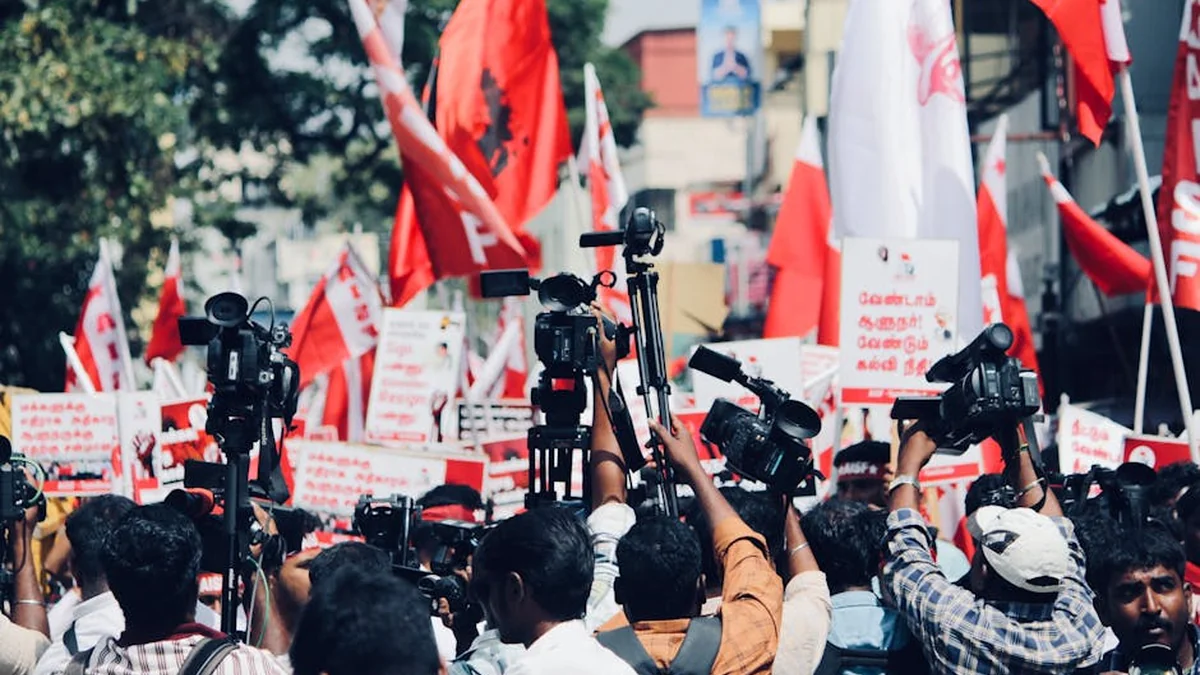
Reporters Without Borders’ annual World Press Freedom Index indicates a general decline in media freedom across most Balkan countries. While some nations show improvements, the overall trend suggests increasing challenges to press freedom in the region. Kosovo stands out as a notable exception, recording a 15-place rise in its ranking, although it remains among the lowest-ranked European countries.
Other countries reporting improvements include Croatia, Romania, and Greece. Conversely, several nations experienced setbacks. Bulgaria, for instance, dropped to 71st place, with its media freedom described as fragile and unstable.
Montenegro declined from 37th to 41st, while North Macedonia fell three positions. The organization classified several other countries as having “problematic” media environments, and Turkiye was noted for the most severe situation. Despite these varied reports, the core threats to media freedom persist across many countries.
Slovenia, the region’s best-ranked country at 36th, still faces concerns regarding insufficient protection for journalists, particularly concerning defamation laws. In other nations, political interference, economic pressure, and the spread of disinformation continue to undermine the integrity of the media sector. The report highlights that while constitutions guarantee freedom of expression in many countries, practical issues—such as lawsuits, government pressure, and conflicts of interest between political and business spheres—are significantly restricting the operational freedom of the media.
These findings underscore the ongoing struggle to maintain robust press freedom across the region’s diverse set of countries.
Topics: #freedom #media #countries


This general decline in media freedom across the Balkans is a worrying indicator for the region’s democratic health.