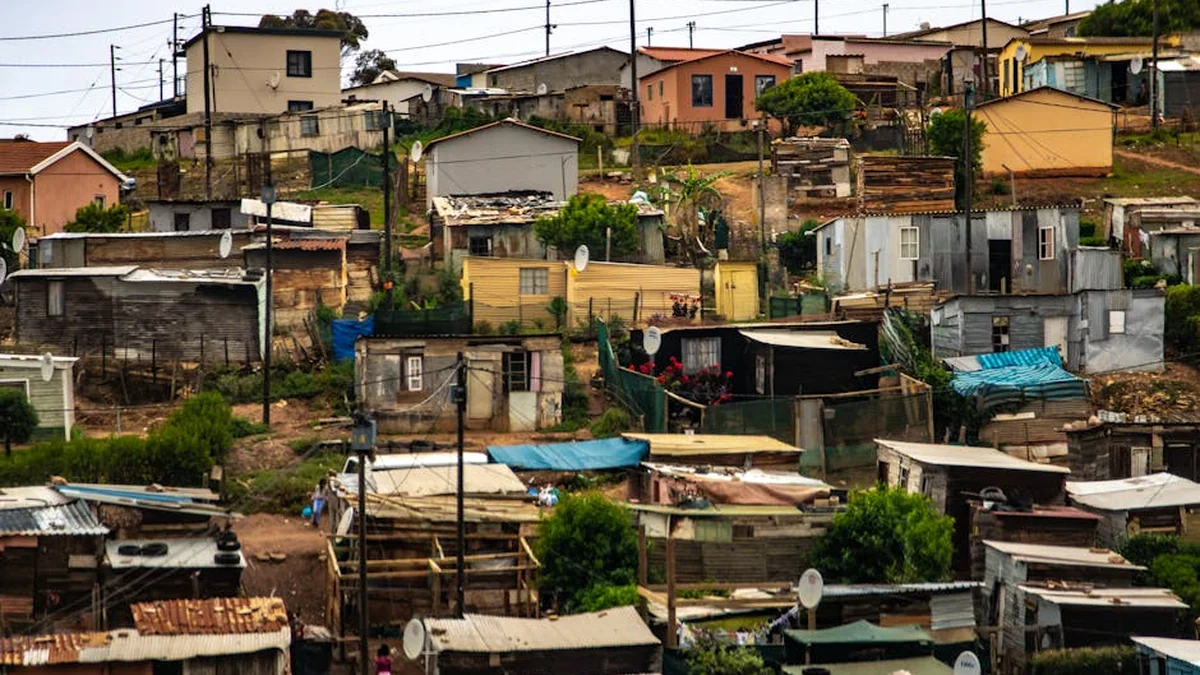
Analysis of Bulgarian income, consumption, and poverty data suggests a recent rise in overall well-being rather than escalating hardship. According to Adrian Nikolov, senior economist at the Institute for Market Economics (IME), real household income and purchasing power have increased, accompanied by a shift in spending away from basic necessities toward leisure, culture, and education. While acknowledging that poverty and inequality persist, they are increasingly confined to specific vulnerable demographics.
Nikolov notes that Bulgaria’s real-income index has shown steady growth over the last decade, despite fluctuations due to inflation. This growth has allowed households to afford nearly double the goods and services they could purchase ten years prior. Consumption patterns reflect this change; expenditure shares for food and housing have decreased, while spending on leisure and education has risen.
Despite this economic improvement, poverty remains a concern, with the percentage of people below the poverty line still exceeding 21% in 2025. However, the absolute number of people in poverty is declining due to population decrease. Furthermore, the rising poverty line is outpacing inflation, thereby supporting the purchasing power of those living near the threshold.
The analysis indicates that while income inequality remains high relative to the EU average, the primary drivers of poverty are consistent: labor market integration, educational background, and social inclusion, particularly within the Roma community. IME recommends that social policy
Topics: #poverty #purchasing #power


What specific metrics were used by the Institute for Market Economics to measure the 80% growth in purchasing power?