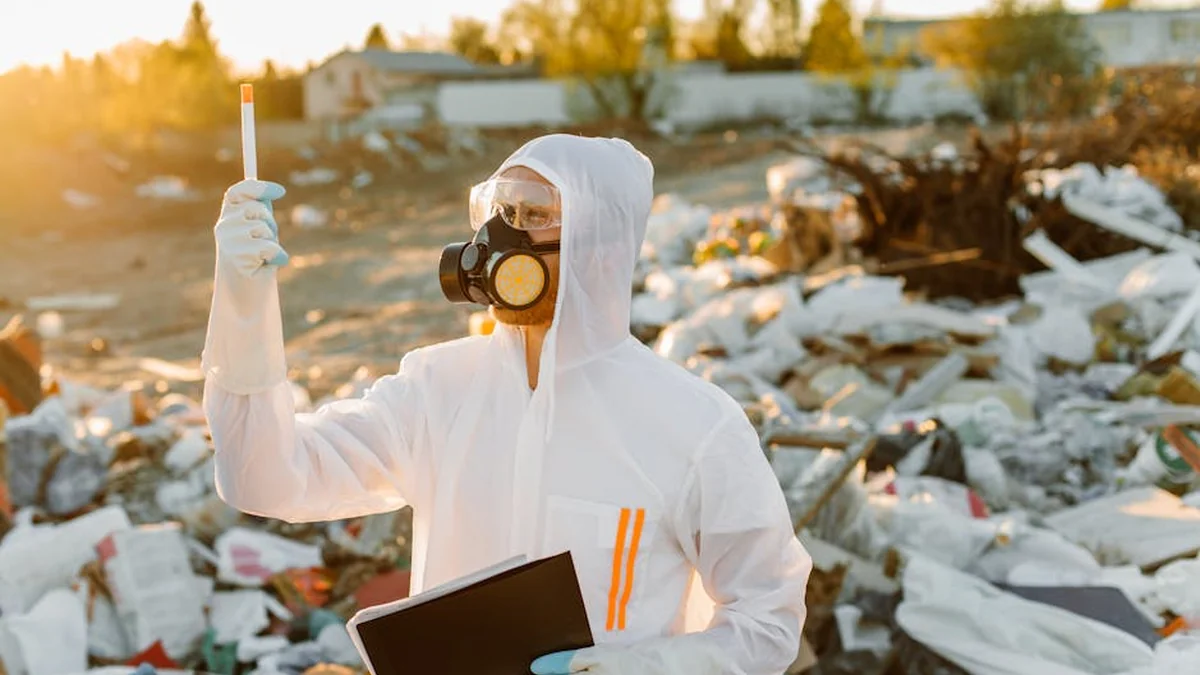
An audit report released by the Bulgarian National Audit Office (BNAO) concerning the Ministry of Environment and Water revealed significant deficiencies in the management of hazardous waste across Bulgaria between 2021 and 2024. The audit identified five regions—Blagoevgrad, Vidin, Gabrovo, Sliven, and Smolyan—that lack proper disposal facilities for hazardous waste generated by households, industry, and healthcare sectors. The report details that hazardous waste, which includes materials with toxic or flammable properties, increased in volume from 13.7 tonnes in 2021 to nearly 16 tonnes in 2023.
Furthermore, data cited from Eurostat for 2022 indicated that Bulgaria generates 2,246 kg of hazardous waste per capita, substantially exceeding the EU average of 266 kg. Systemic issues were highlighted, including the absence of a parliamentary-approved national environmental strategy and inadequacies in the National Waste Management Plan regarding industrial sources. Local compliance remains a concern, as 42% of violations cited by mayors relate to illegal dumping sites.
Additionally, nearly 29% of municipalities with populations over 10,000 lack designated collection points for household hazardous waste. The BNAO noted that while the European Commission has launched nine infringement procedures regarding waste management directives, progress remains limited. The report also tracked a 41% increase in the imports of hazardous waste for recovery between 2021 and 2024.
BNAO issued seven recommendations to the Environment and Water Minister, setting an implementation deadline of March 1, 2027, and submitted the findings to the European Commission and INTOSAI.
Topics: #hazardous #waste #audit