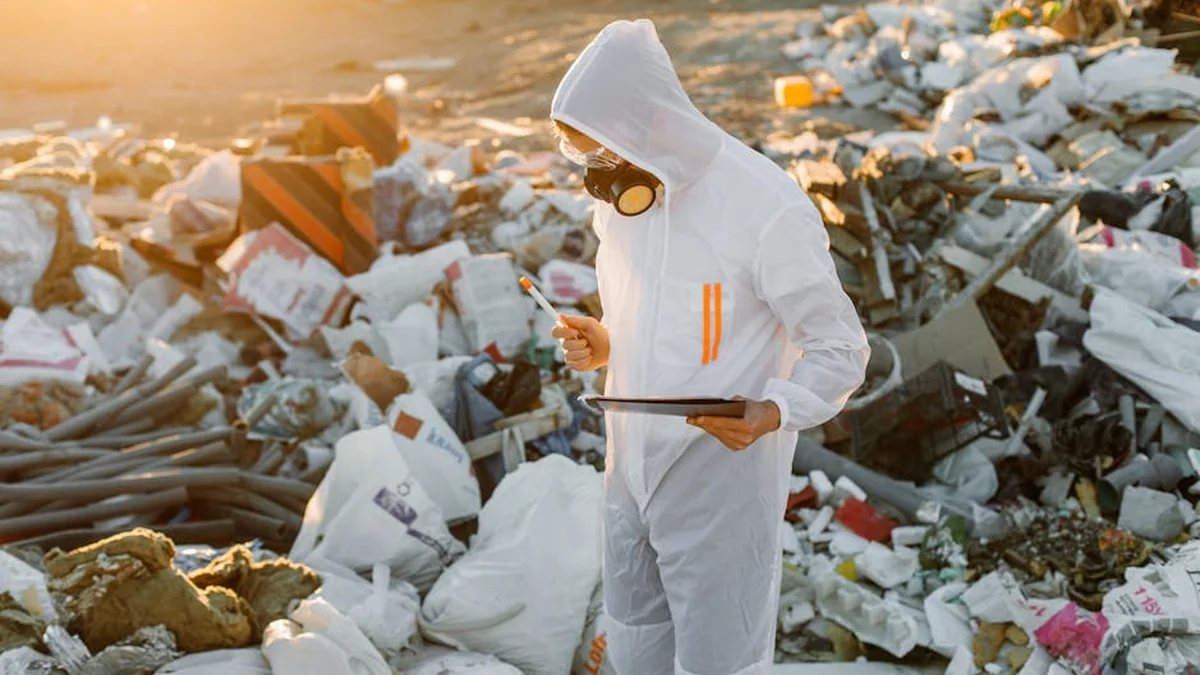
An audit report released by the Bulgarian National Audit Office (BNAO) covering the period of 2021 to 2024 indicates significant deficiencies in the management of hazardous waste across Bulgaria. The report identified five regions—Blagoevgrad, Vidin, Gabrovo, Sliven, and Smolyan—that currently lack necessary treatment facilities for hazardous waste generated by households, industry, and healthcare sectors. The BNAO audit, which examined the Ministry of Environment and Water, noted that the volume of hazardous waste increased from 13.7 tonnes in 2021 to nearly 16 tonnes in 2023.
Furthermore, data cited from Eurostat for 2022 revealed that Bulgaria generates 2,246 kg of hazardous waste per capita, substantially exceeding the EU average of 266 kg. The audit highlighted systemic weaknesses, including the absence of a parliamentary-approved national environmental strategy. Enforcement gaps were also detailed, noting that 42% of violations cited by mayors related to illegal dumping sites, and nearly 29% of large municipalities lacked designated collection points for household hazardous waste.
Compliance issues are further evidenced by the European Commission having launched nine infringement procedures against Bulgaria regarding waste management directives. The BNAO concluded that progress in managing hazardous waste remains limited. The report also pointed to weaknesses in coordination and monitoring within the Ministry.
In
Topics: #hazardous #waste #audit