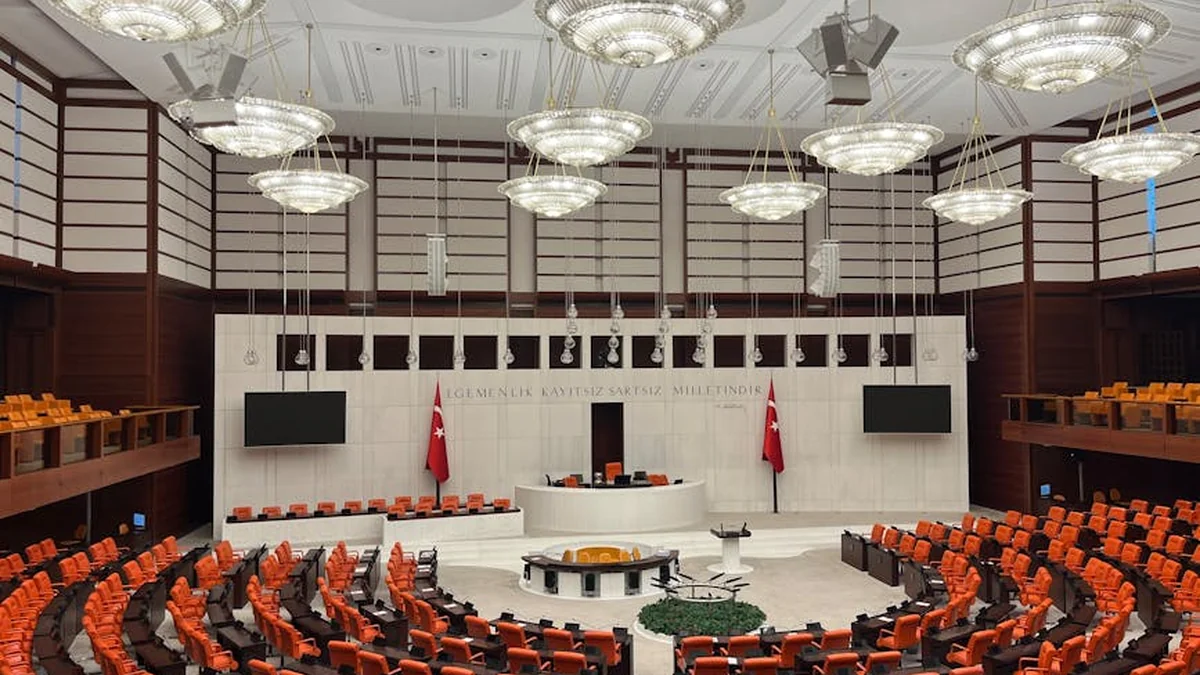
As the National Assembly convened for its inaugural session, political commentary focused on the immediate priorities and structural challenges facing the newly elected members. Vladimir Nikolov of Progressive Bulgaria, the largest faction with 131 seats, stated the party’s commitment to restoring public trust, noting the low 8% approval rating for the Parliament. Meanwhile, leaders from Change emphasized the immediate election of members to the Supreme Judicial Council (SJC) and the adoption of comprehensive economic packages to address inflation.
The composition of the legislature shows a significant number of first-time MPs, with professional backgrounds frequently cited as economics, law, and engineering. Analysts observing the proceedings noted that while the elections presented an opportunity for a new chapter, concerns remain regarding whether the resulting power structure will genuinely reform the system or risk concentrating authority. Experts stressed the need for a thorough review of institutional safeguards.
Key areas of focus include the speed and scope of judicial reform, ensuring the separation of powers, and determining whether Parliament will assert its constitutional role or if executive dominance will persist. Furthermore, the fracturing of political blocs, such as Change separating from Democratic Bulgaria, has led to multiple parliamentary groups. Academic commentary cautioned that overly optimistic expectations from any single party could lead to disillusionment if promises are not met.
While the large majority held by Progressive Bulgaria may offer stability, political analysts also highlighted potential risks, including external influences on domestic policy. The debate continues over the optimal path forward for governance, balancing the need for decisive action with maintaining institutional checks and balances within the national framework.
Topics: #national #assembly #review