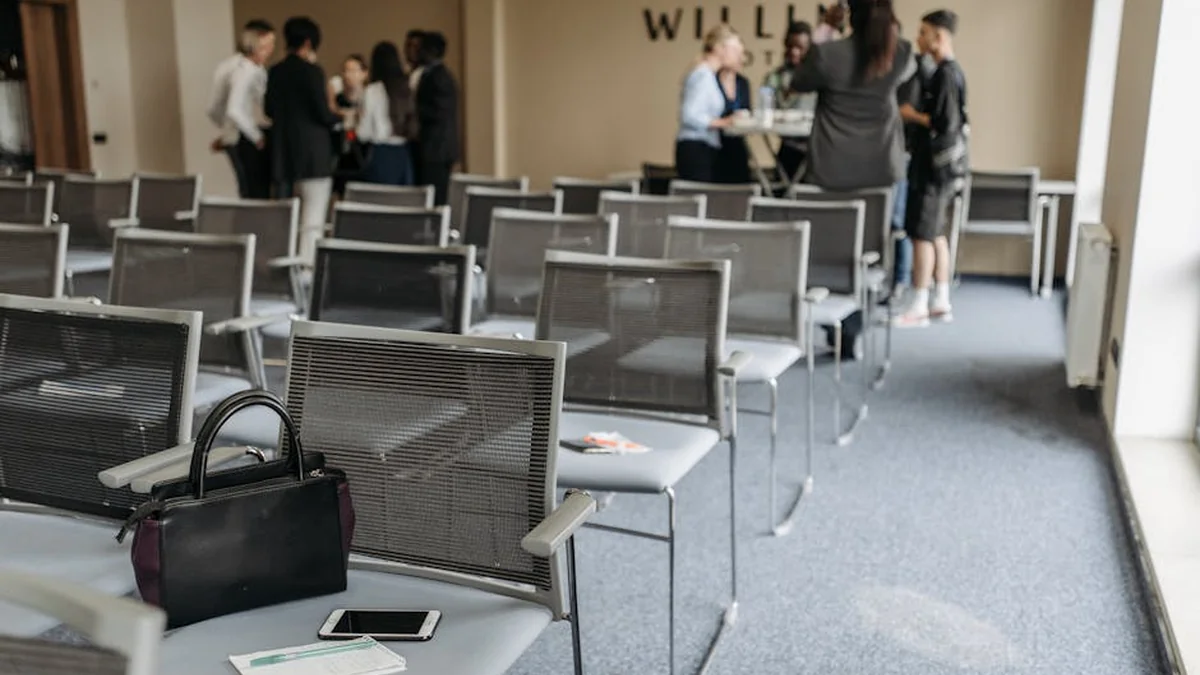
An applied science conference for students, PhD candidates, and young scientists was held recently at the Taraclia branch of Angel Kanchev University of Ruse. This event marked the first student conference hosted by the Moldova branch and was integrated into the University of Ruse’s 65th science conference. The conference commenced with a plenary meeting addressed by Taraclia branch Director Assoc.
Prof. Valentina Vasileva and Administrative Director Alexandr Borimecicov. During the opening, Vasileva presented insights on establishing a common European space for education and science, detailing the role of universities in this development.
The agenda also featured a presentation of three books published with the support of the Bulgarian Spirit Foundation. Vasileva noted the conference aimed to encourage students in scientific material creation while assessing the supervisory capacity of tutors. She highlighted the success demonstrated by the 23 papers presented by the collaborative teams.
The academic program was structured across three distinct thematic areas. The first focused on Bulgarian cultural-historical heritage, covering topics such as the contributions of Bulgarian historians and archaeologists. The second area explored interdisciplinary research, including the study of folk music as a cultural identifier, and tutor-parent interactions.
The third section addressed contemporary challenges in education and psychology, including AI integration and the educational process as a social-pedagogic system. The establishment of the Taraclia branch was a strategic move to enhance cooperation between Bulgaria and Moldova. The transition of the institution to a branch of the University of Ruse facilitates richer academic opportunities for students in Moldova.
Topics: #branch #conference #ruse



This first student conference sounds like a valuable and important event for the local scientific community.